
The Mount Elgon Foundation wishes to develop projects on Mount Elgon that improve local people’s livelihoods while preserving the environment, notably the large areas of indigenous forest on the mountain. The Foundation is currently working on three such initiatives:
- beehive fences,
- the Kimuryoony Canal and forestry project, and
- community woodlots.
In addition, the Foundation is supporting a key partner, Kenya Wildlife Service, to hold community meetings in local villages and with children in schools. These are to explain to people in the area the importance of the preservation of the natural heritage of Mount Elgon, the work of Kenya Wildlife Service and the aims of the Mount Elgon Elephant Project.
Beehive Fences
The raiding of farms by elephants not only severely impacts the livelihoods of the farmers concerned but leads also to the tragic loss of both human and elephant life as farmers seek to protect their crops.
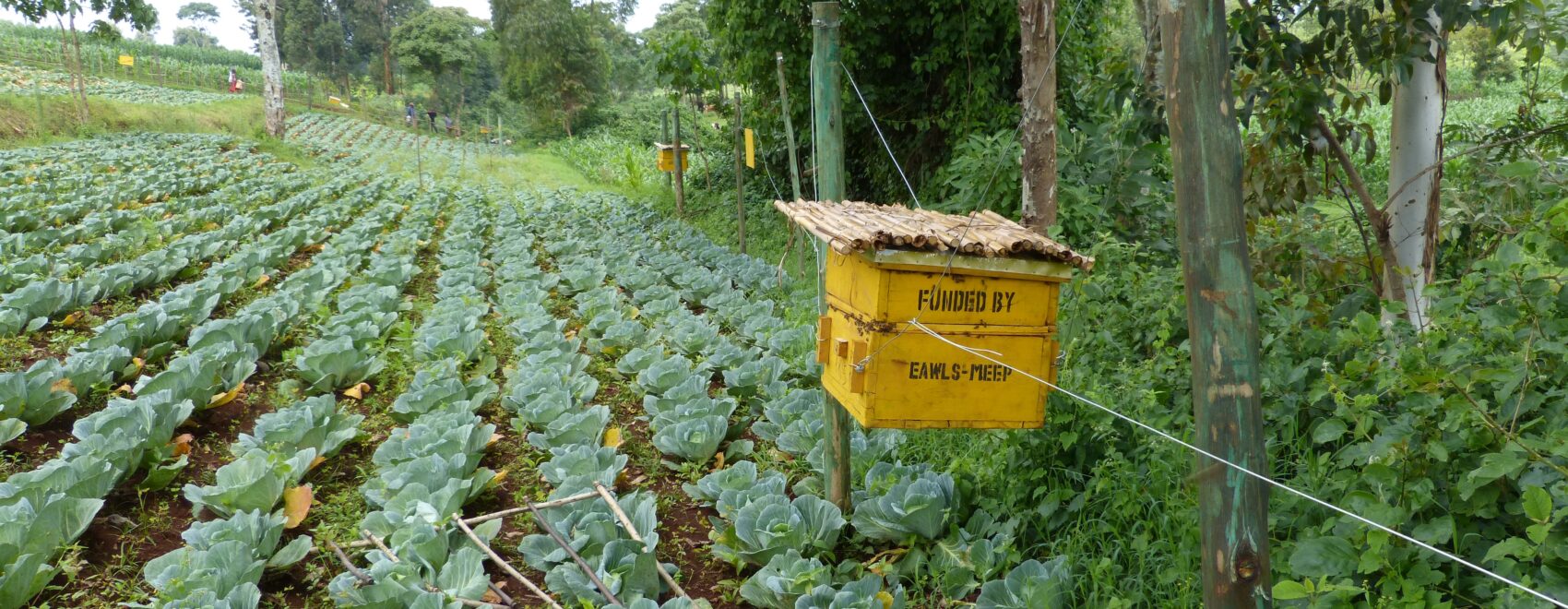
Elephants are known to be frightened of bees. They are one of the few deterrents to elephants. How they can be used to protect crops is by connecting their hives with ropes or wires around the fields so when elephants approach, they cannot enter the fields without disturbing the bees. The bees then buzz agitatedly or emerge from their hives and the elephants then typically move off quickly without doing any damage.
There is a tradition of bee keeping on Mount Elgon since time immemorial. Hence this project will not only help protect livelihoods, but it will also assist in the creation of additional income for local people through production and sale of honey.
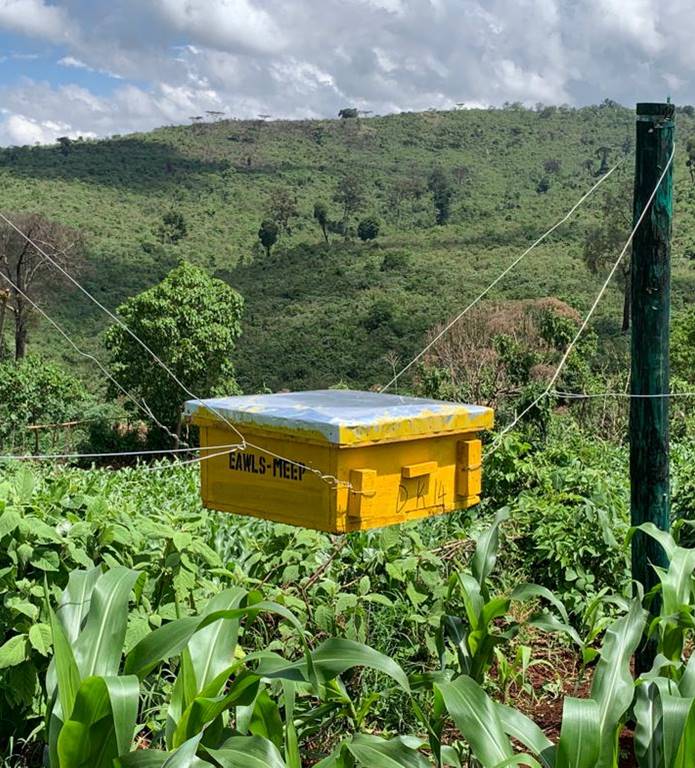
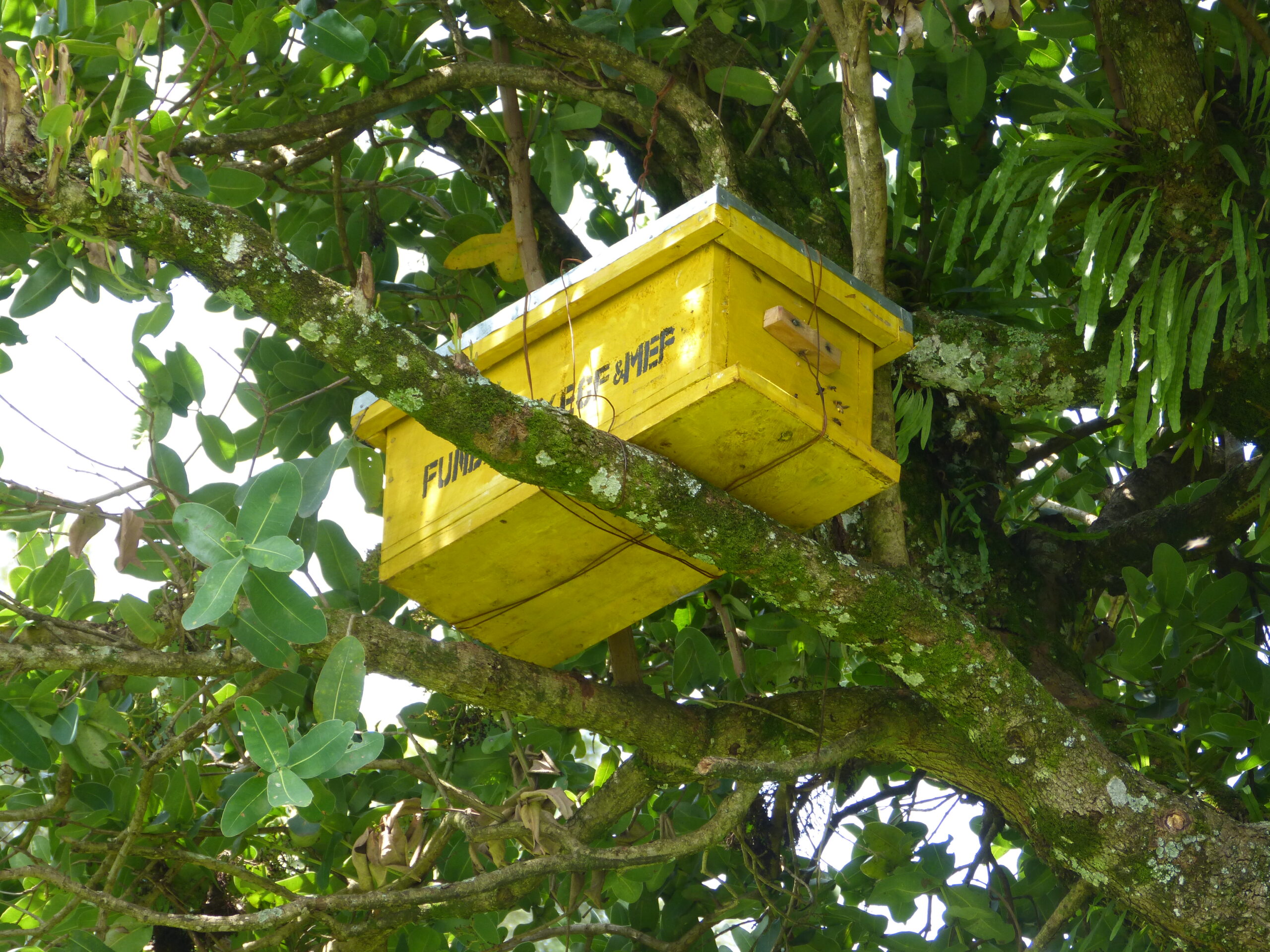
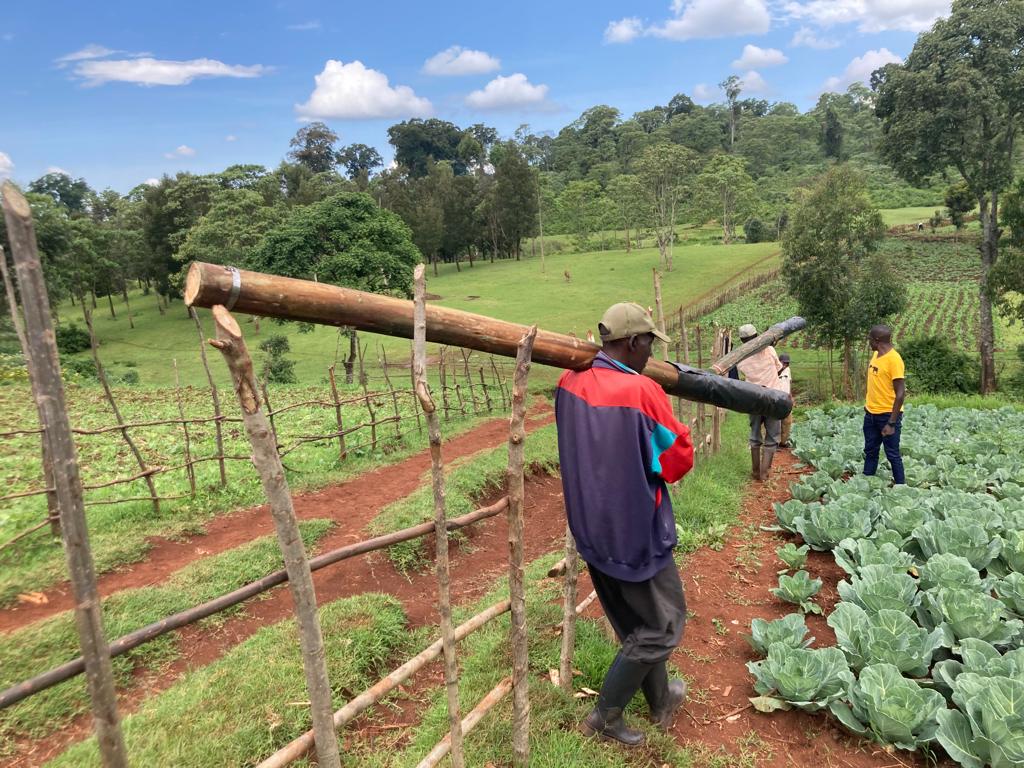
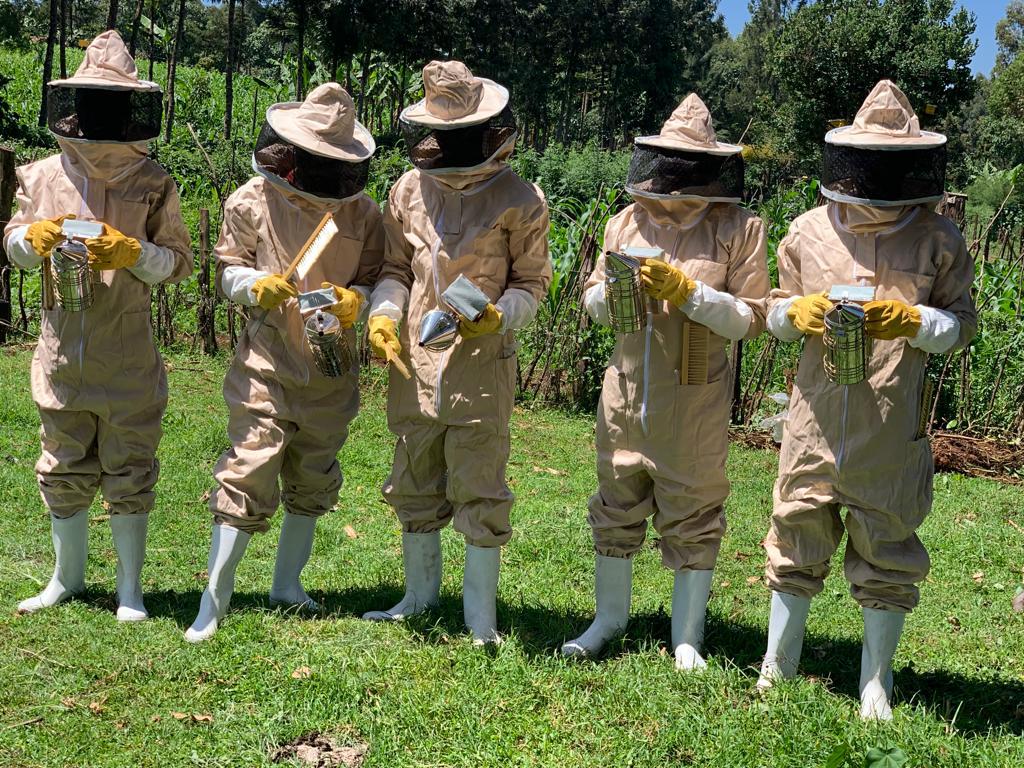
Banner: a beehive fence protecting a field of cabbages. Above: top left – a beehive in one of the first fences on Mount Elgon; top right – a catcher box placed in a tree to catch passing swarms; bottom left -moving one of the poles into position; bottom right – the 5 farmers selected for the pilot in their bee suits. (Credits: EAWLS-MEEP.)
Following an initial careful assessment, the project went through a pre-implementation data gathering period, prior to moving into a trial phase with the installation of 5 beehive fences as a pilot. If that is successful, then the fences will be rolled out more widely. This project is funded principally by the Elephant Crisis Fund.
The Kimuryoony Canal
Two of the trustees of the Mount Elgon Foundation have been involved in a joint community and forestry project – the restoration of the Kimuryoony Canal.
The Kimuryoony Canal (known as the “furrow” to its original builders) is a hand dug system from the colonial era designed to follow the mountain’s contours and carry water about 10km down the mountain to a coffee processing station. The coffee is long gone but what water still flowed fed the largest Kenya Forest Service tree seedling nursery in the area and a local school.
By 2017, the system carried just a fraction of the water it once did and a key reservoir was estimated to be around 90% silted up. Hence the volume of water was insufficient to either grow the number of seedlings required for the area or to serve the local community who have to carry water up from a stream in the valley bottom.

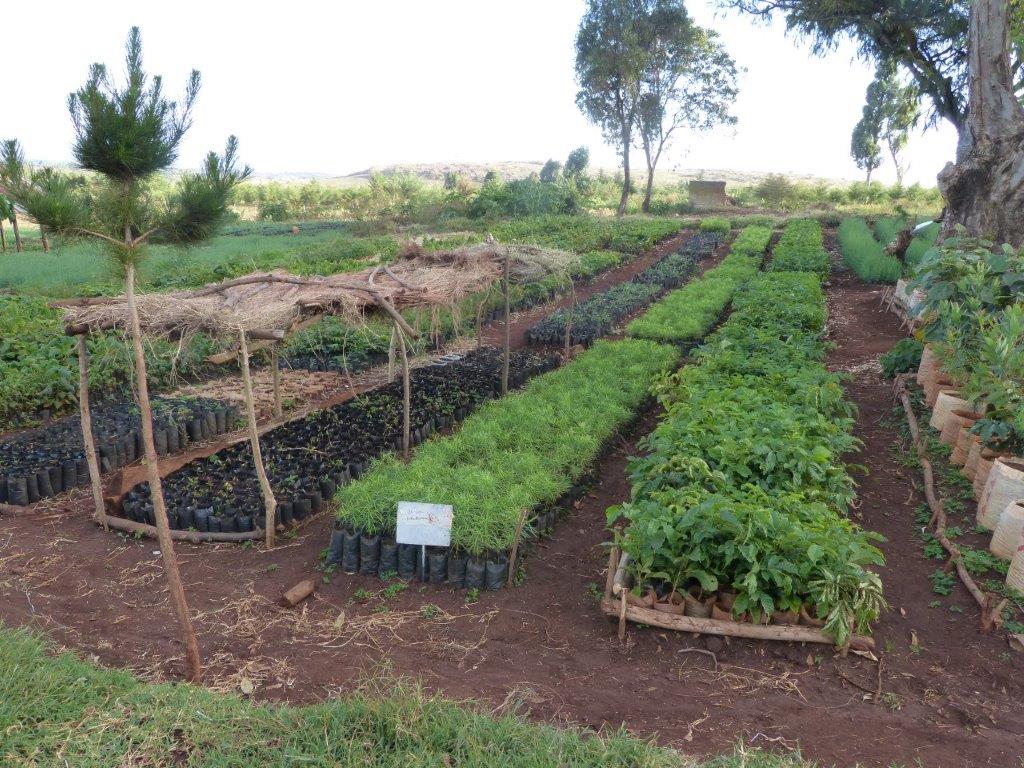
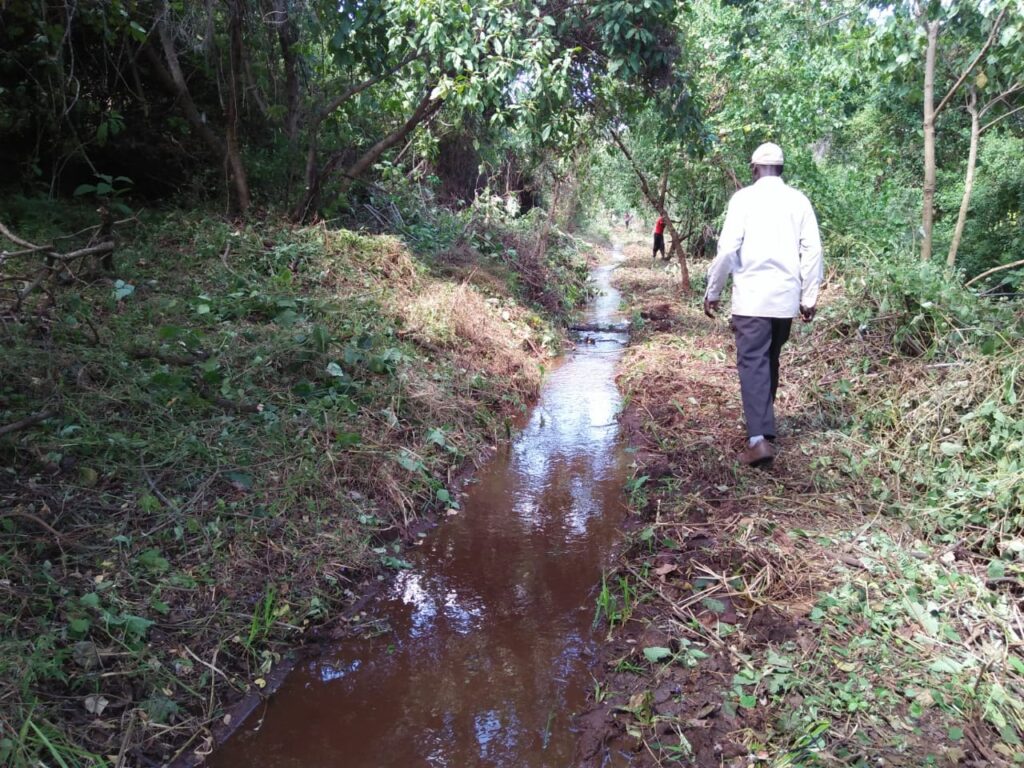


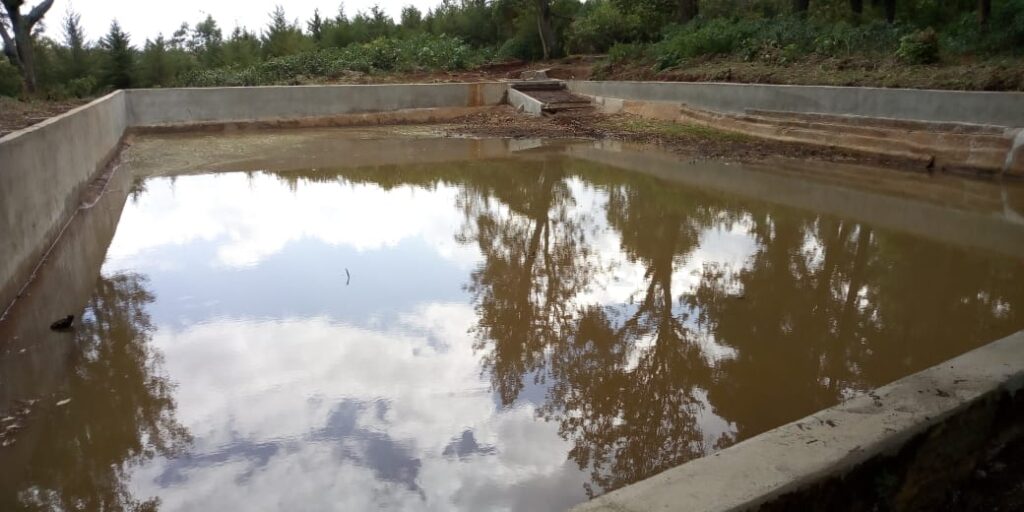
Above: top left – restoration of Kimuryoony Canal reservoir; top middle – indigenous seedlings, Kenya Forest Service nursery; top right – Kimuryooony Canal after restoration; bottom left – source of the Kimuryoony Canal with Samson Kiboi (project instigator) and Christopher Powles; bottom middle and right: Kimuryoony Canal reservoir before and after restoration. (Credit: Christopher Powles.)
The two trustees of the Foundation referred to above supported a local social entrepreneur to survey the route of the canal and they then helped arrange funding for the canal’s restoration. This created local employment during the refurbishment as well as a significant increase in seedling production to aid reforestation. A second stage of the project is proposed to take piped water to the local community for small scale agricultural use and to provide additional sustainable livelihoods through further tree planting.
Community Woodlots
The preservation of the unique ecosystem on Mount Elgon, including the large areas of magnificent indigenous forest, is a key focus of the Foundation. The forest itself has been under significant pressure from exploitation over many years, and the current degradation due to charcoal production, collection of firewood and construction material is of particular concern.
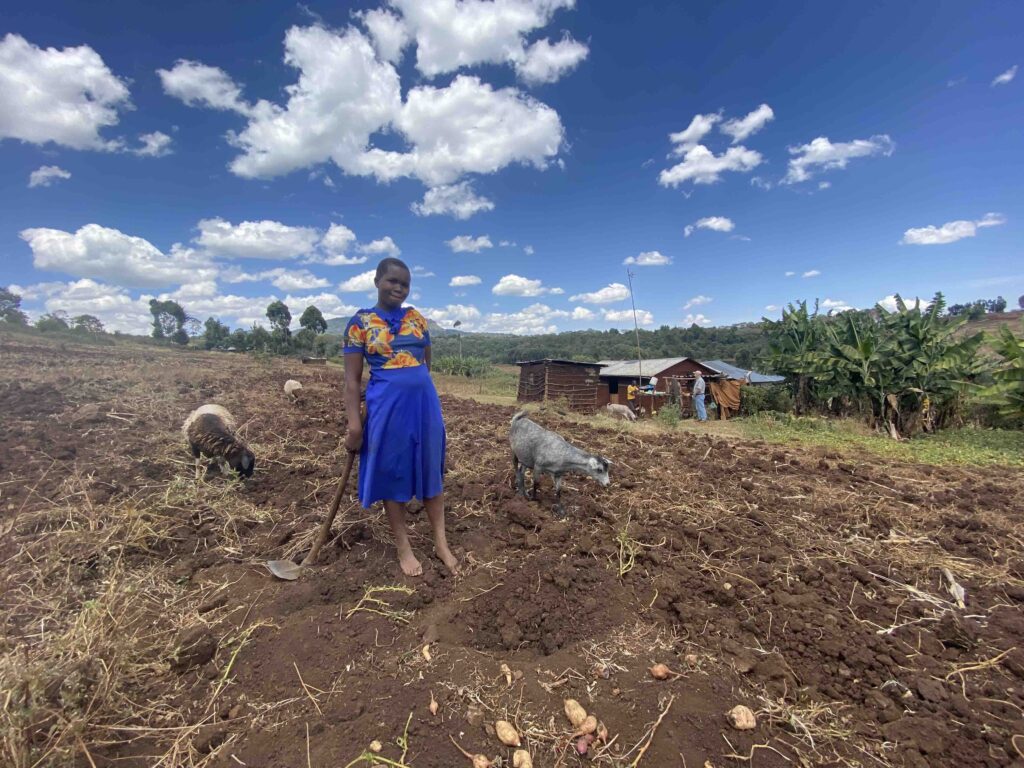
After a successful pilot run by the Mount Elgon Nature Conservation CBO Tree Planting Project led by a community member, the Foundation is now supporting his expansion of this programme of establishing woodlots on individual shambas (smallholdings, as per the photo with the wife of a farming couple) through the provision of seedlings, training and support in caring for these.
Fast growing species are being planted on shambas for fuel and construction needs, and landowners are encouraged to plant indigenous, slower growing trees in riverfront areas to support the rehabilitation of this important habitat. This provides a practical and sustainable solution to reduce the pressure on Mount Elgon’s natural forest and has already resulted in a high level of demand and engagement from local communities. There will be a particularly positive impact for women who currently spend extended periods of time foraging for firewood for cooking and heating, with risks to personal safety.
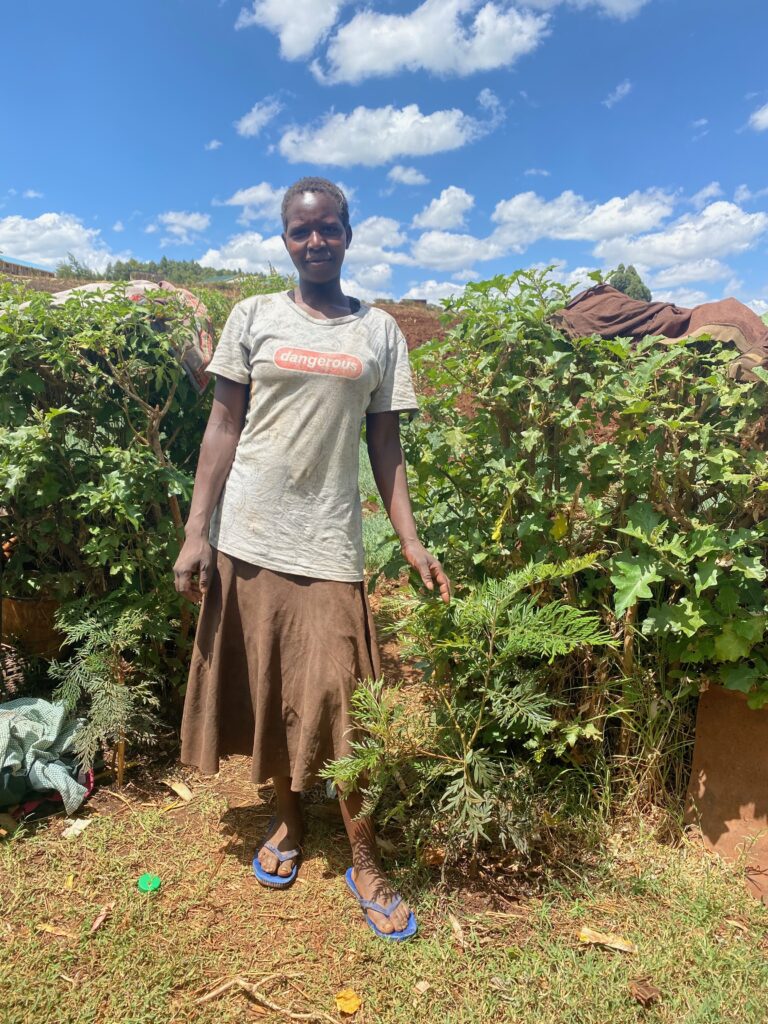
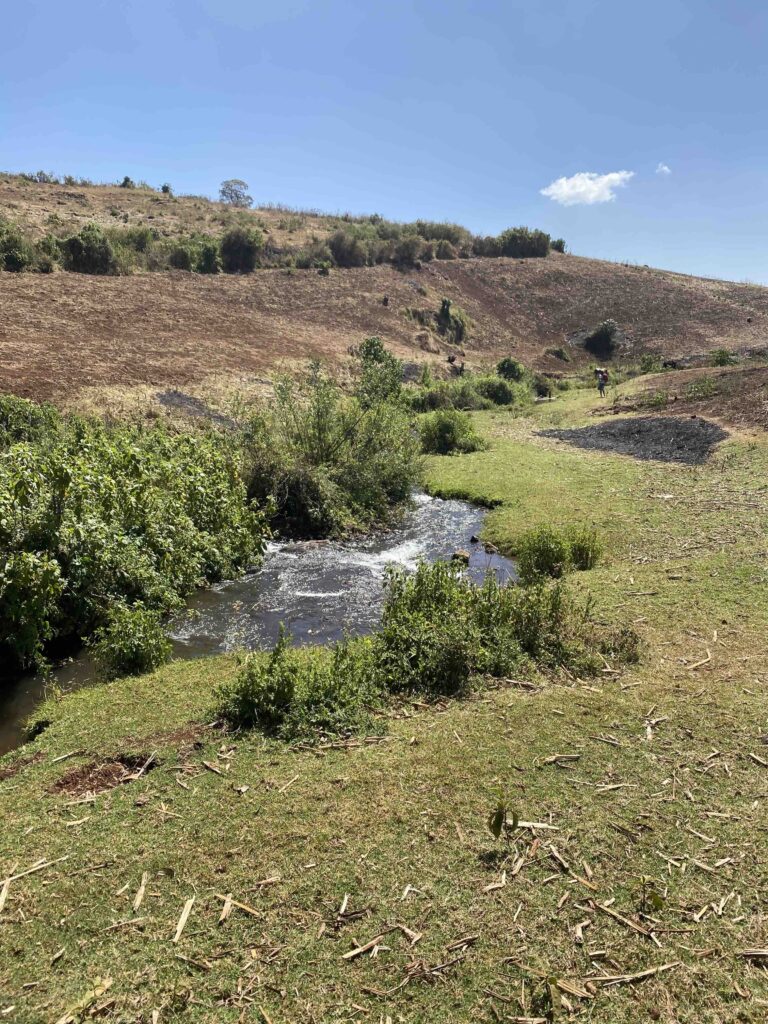
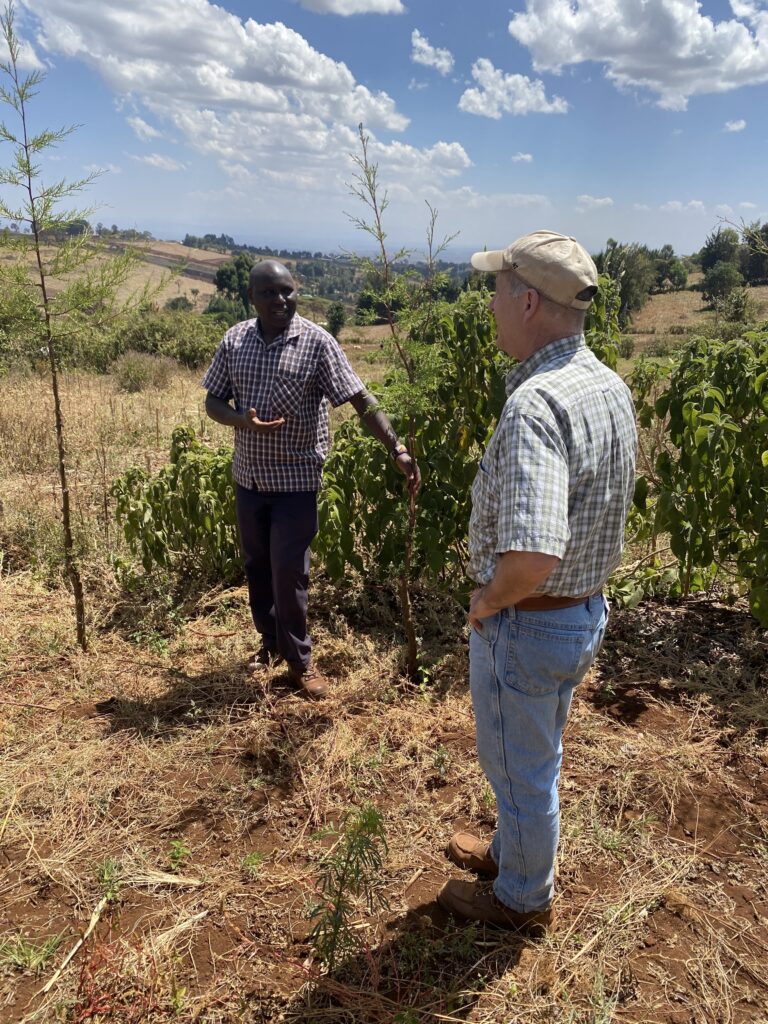
Above left: a farmer’s wife with a recently planted Grevillia seedling; above middle: cultivation right down to the Rongai river that needs replanting by the river with indigenous seedlings; above right: the founder of this project, Philip Chepso, addressing his programme partner, Dan Van Lehman. (Credit: Sophie Milton.)